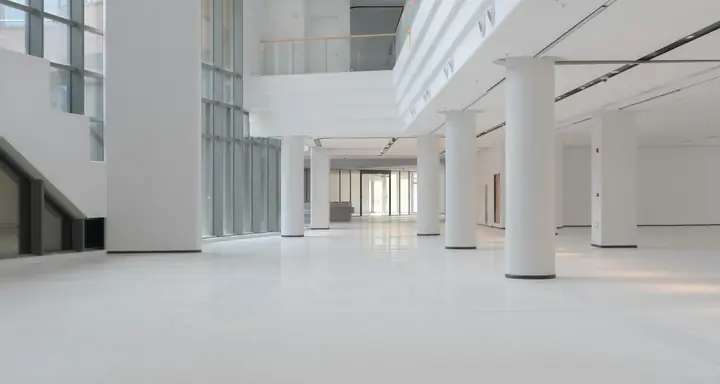
What is a turnkey office, and who is it for?
What does turnkey office mean, how is it different from an empty office, and which companies does it suit best? The process in plain words.
 Taylan BorhanFounder · 2 min read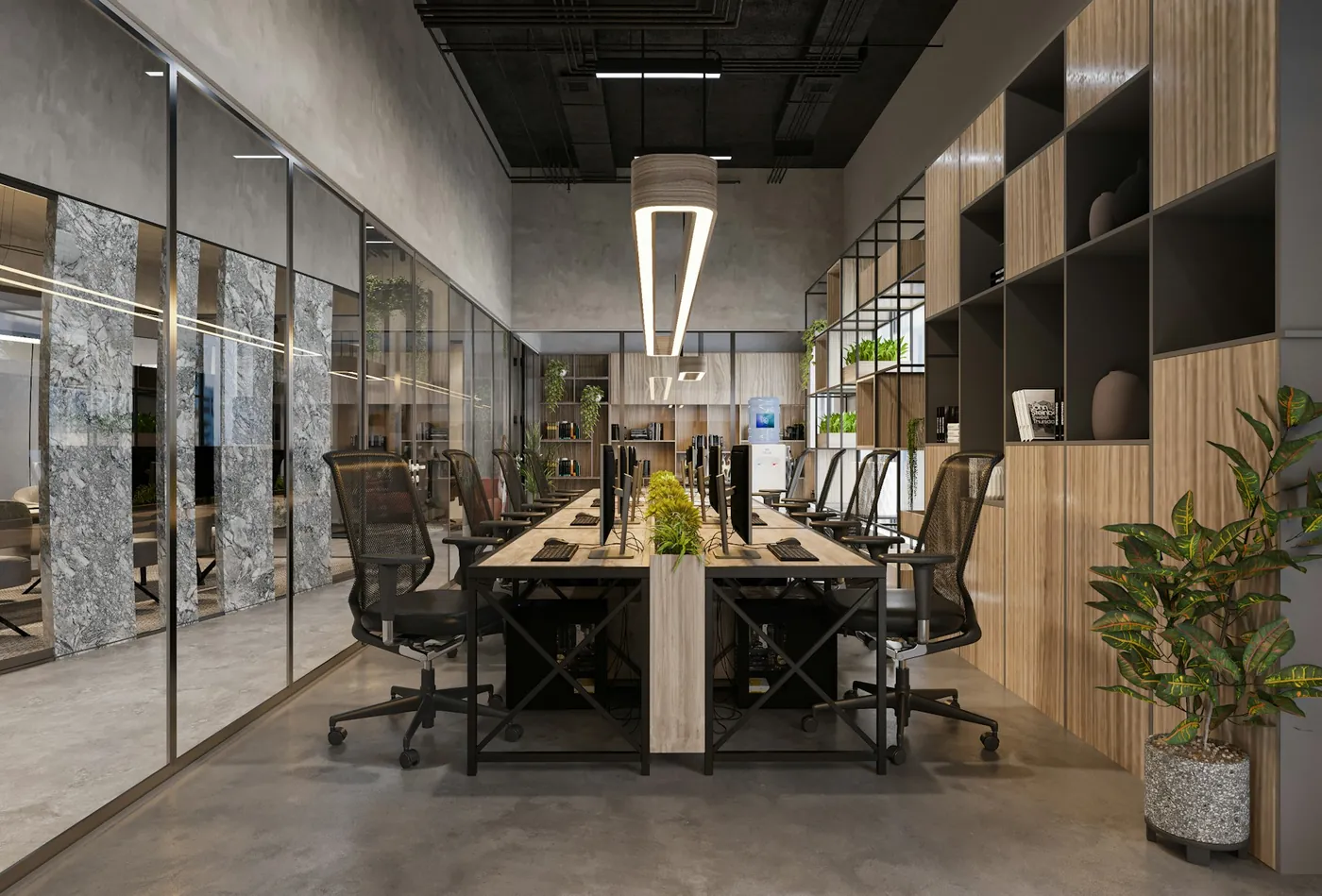
A turnkey office is an office prepared so that you can walk in and start working. It is handed over with the floor, ceiling, lighting, partitions, meeting rooms and wet areas completed.
How is it different from an empty office?
In an empty office you prepare the space yourself. You find an architect, arrange the tradesmen, choose the materials and follow the work. During this time you pay rent and also take time away from your real business.
With turnkey, a single team runs all of this work. You explain what you need, make the decisions and receive the keys at the end.
How does the process work?
- We listen to what you need: how many people, how many rooms, what kind of working arrangement.
- We select the property that fits your business.
- We finalise the layout plan together.
- We carry out the renovation works.
- We hand over the office ready to use.
Who is it for?
- Companies opening a new office
- Teams that are relocating and do not want work to be disrupted
- Managers who do not want to deal with construction and fit-out works
- Those opening an office from another city or from abroad
What should you watch out for?
- Do not confuse it with a serviced office. For the difference, see our article on serviced offices, virtual offices and coworking spaces.
- Get it in writing from the start what is included: are furniture, air conditioning and network infrastructure included?
- Discuss the handover date.
- Find out who will follow the work from start to finish.
At GlassHouse Properties we handle property selection, full renovation and handover under one roof.
Frequently asked questions
Can I have a say in the design of a turnkey office?
Yes. We choose the layout, colours and materials together. Turnkey means we run the work for you, not that we make the decisions for you.
Which is better, an empty office or a turnkey office?
A company with its own team and time may prefer an empty office. For a company that wants to focus on its business, turnkey is easier.